The Role of Data Analytics in Modern KPO Operations
Not long ago, KPO work was largely about collecting information, preparing reports, and delivering research when asked. That approach still exists, but it no longer defines the industry. Today, data analytics sits at the center of modern KPO operations, shaping how work is done and what clients expect from their partners.
At its core, this shift is simple. Businesses don’t just want data anymore. They want clarity, direction, and confidence when making decisions.
From Information Providers to Insight Partners
Most organizations are overwhelmed with data. Sales figures, customer behavior, market signals, compliance records, and operational metrics keep growing every day. The real challenge isn’t access to information. It’s knowing what actually matters.
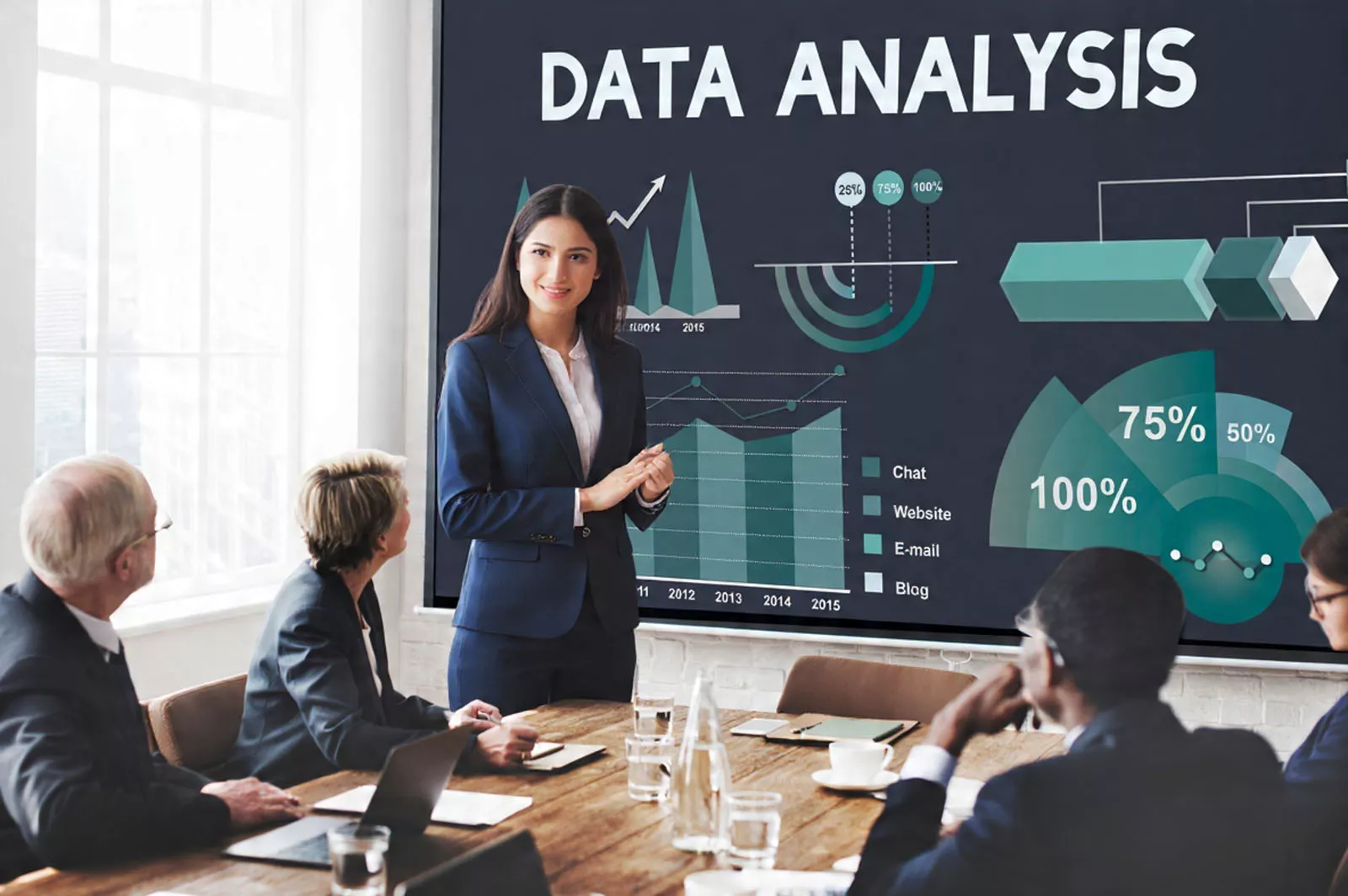
This is where modern KPO teams add value. Through data analytics, they filter out the noise and focus on patterns that have real business impact. Instead of delivering lengthy reports filled with charts, they highlight what’s changing, why it matters, and what actions leaders should consider next.
That shift has moved KPO providers away from being back-office support and into the role of trusted insight partners.
Making Sense of Complexity
Many KPO projects involve data pulled from multiple systems that don’t always align neatly. Without analytics, connecting these pieces can be slow and often leads to inconsistent results.
Data analytics tools help bring order to that complexity. They clean datasets, identify inconsistencies, and apply consistent logic across sources. Human analysts then step in to interpret the results, add business context, and question assumptions where needed.
The result is analysis that feels reliable, thoughtful, and grounded in real understanding rather than automated output.
Faster Answers Without Rushing Decisions
In today’s business environment, timing matters. Leaders can’t afford to wait weeks for insights when markets, regulations, or customer behavior can change overnight.
Analytics-driven KPO operations make it possible to deliver faster answers without sacrificing quality. Real-time dashboards, automated updates, and predictive models give clients a clear view of what’s happening now. More importantly, they allow teams to respond quickly while still making informed decisions.
Speed becomes an advantage, not a liability.
Looking Ahead, Not Just Back
One of the most important changes analytics has brought to KPO is a stronger focus on the future. Traditional analysis often explains what already happened. Modern analytics helps explore what could happen next.
KPO teams now support forecasting, scenario planning, and risk modeling across industries. These insights help clients test assumptions, prepare for uncertainty, and plan with greater confidence. This forward-looking support is a major reason organizations rely on KPO partners for strategic decision-making.
Custom Insights for Every Client
No two businesses operate the same way, and generic insights rarely lead to meaningful action. Data analytics allows KPO providers to tailor their work to each client’s goals, industry, and challenges.
Whether it’s refining performance indicators, adjusting benchmarks, or building custom models, analytics makes personalization practical. Clients don’t just receive data. They receive insights that fit their situation and support real decisions.
That relevance is what turns analysis into action.
Supporting Compliance and Risk Awareness
As regulations continue to evolve, many organizations struggle to keep up. Data analytics helps KPO teams monitor compliance, track regulatory changes, and identify potential risks early.
Instead of reacting after issues arise, businesses can take a more proactive approach. This reduces surprises, improves audit readiness, and strengthens governance. For many clients, this support is just as valuable as financial or market analysis.
A More Strategic Role for KPO Professionals
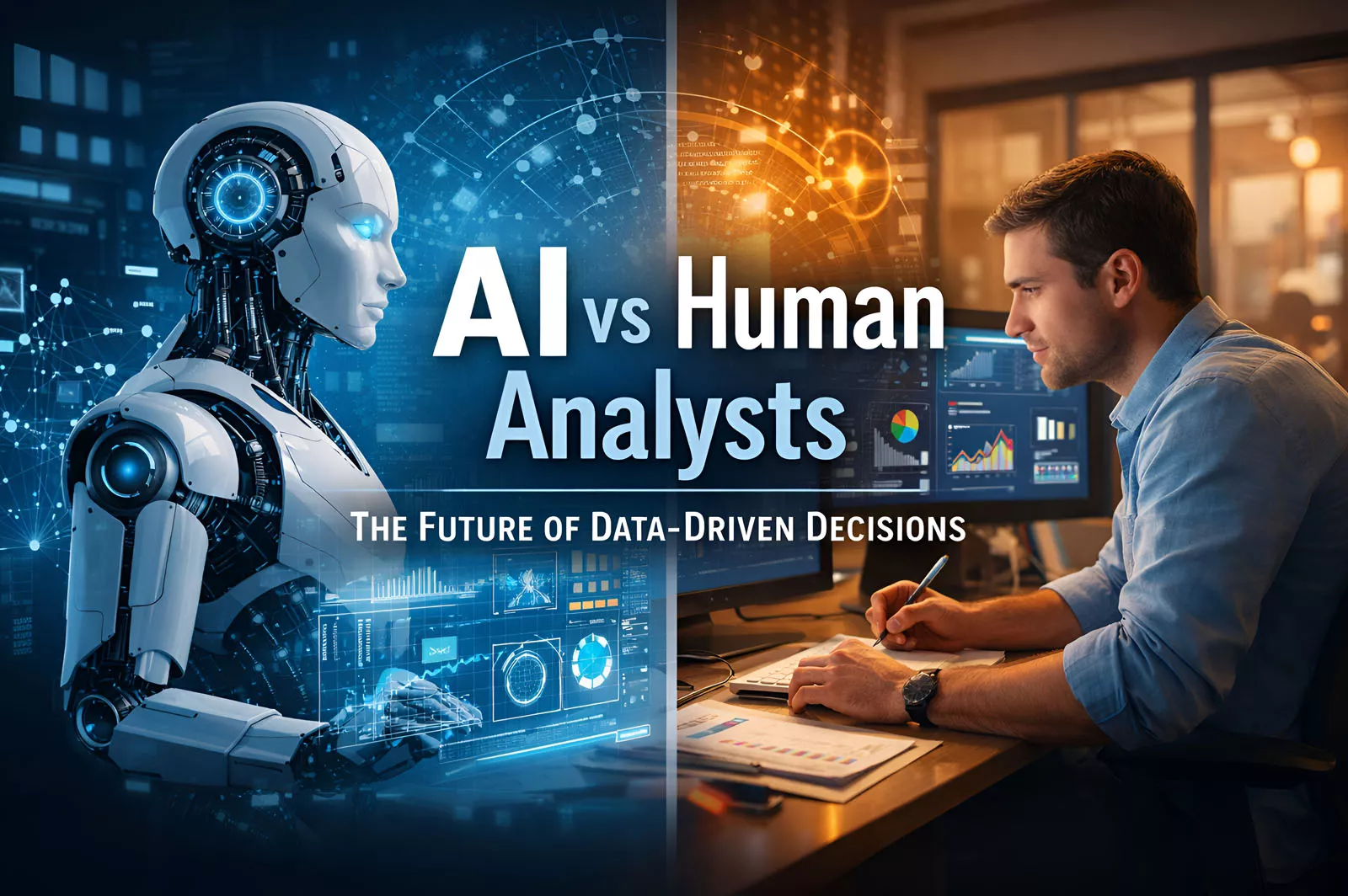
As analytics tools take over repetitive tasks, the role of KPO professionals continues to evolve. Analysts now spend less time gathering data and more time thinking critically, advising clients, and solving problems.
This shift makes KPO work more strategic and more human. Judgment, experience, and clear communication matter more than ever. Technology supports the process, but people create the value.
Where This Is Heading
Data analytics is no longer an add-on in KPO operations. It’s a foundation. It shapes how insights are delivered, how decisions are supported, and how KPO providers build long-term relationships with clients.
As businesses face growing data volumes and increasing complexity, the role of analytics in KPO will only deepen. The most successful KPO firms will be those that combine strong analytical capabilities with real human understanding, turning data into insights that decision-makers can trust and act on.
Related to this topic:
How Generative AI Is Changing Knowledge Process Outsourcing
Key Trends Driving Growth in the KPO Industry
How AI Is Shaping the Future of KPO Services in 2025