Predictive & Prescriptive Analytics – The Fastest-Growing Segments in India
How advanced analytics is shaping the future of business intelligence
📊 Introduction
India’s data analytics landscape is changing faster than ever. Businesses are no longer satisfied with simply knowing what has happened — they want to know what will happen next and how to act on it.
That’s where predictive and prescriptive analytics step in.
These two advanced branches of analytics are driving India’s transformation into a data-first economy, helping organizations forecast future trends, improve efficiency, and make smarter business decisions.
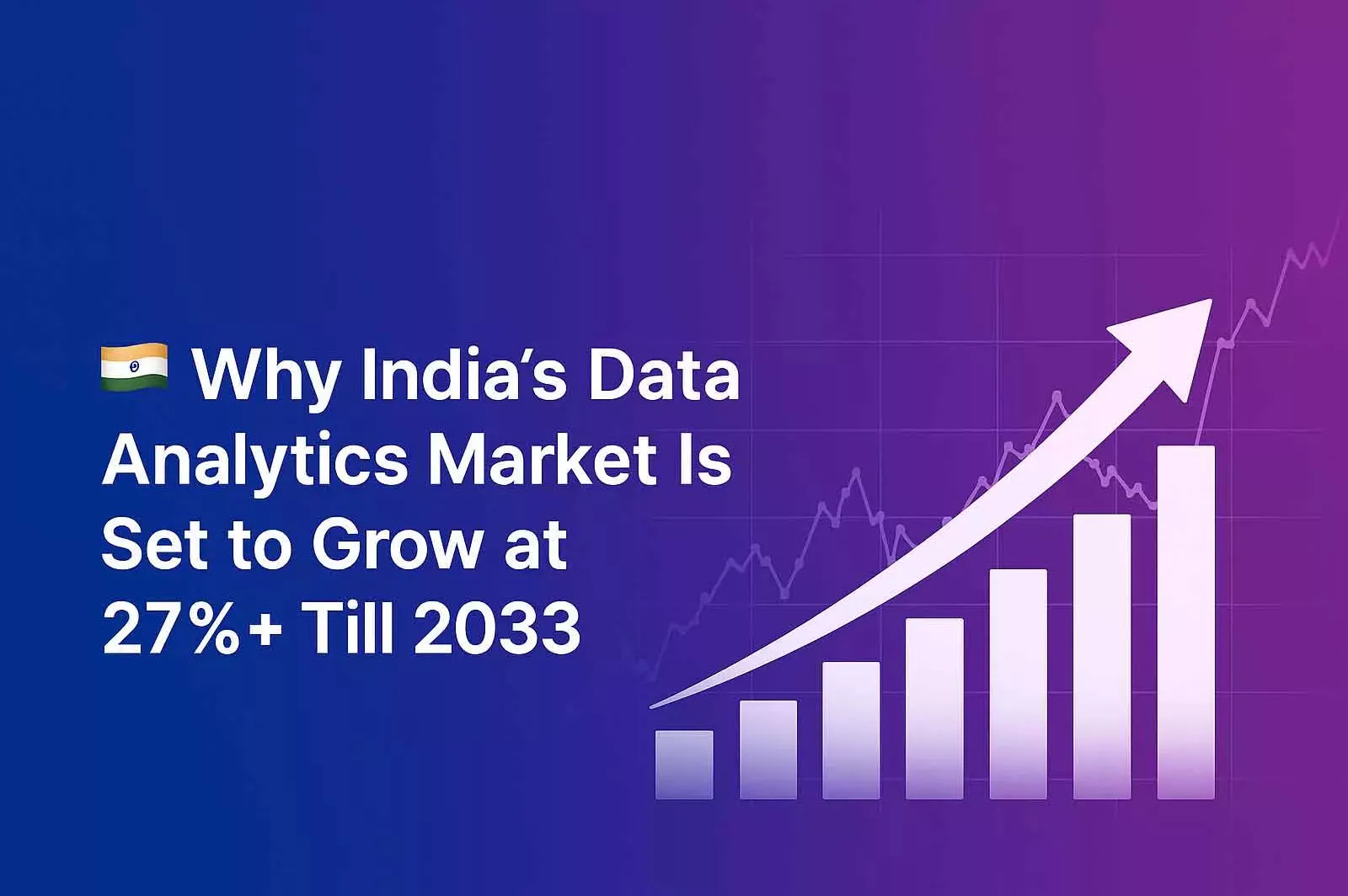
According to market research reports from IMARC Group and Grand View Research, predictive and prescriptive analytics are the fastest-growing segments in India’s data analytics industry, expanding at a rate of nearly 28–30% annually. This growth reflects India’s rapid digital adoption and the increasing demand for intelligent, data-driven strategies across sectors.
🔮 What Do Predictive and Prescriptive Analytics Mean?
- Predictive Analytics uses historical data, algorithms, and machine learning to anticipate future outcomes — such as customer demand, financial risks, or sales patterns.
- Prescriptive Analytics takes it a step further, offering actionable recommendations to achieve the best results, often powered by AI-based optimization models.
In simple terms:
👉 Predictive tells you what is likely to happen.
👉 Prescriptive tells you what you should do about it.
🚀 Why These Segments Are Growing So Rapidly in India
1️⃣ The Data Boom
With 900+ million internet users and an ever-expanding digital infrastructure, India produces an immense amount of data every day. This surge in data creates the perfect environment for analytics solutions to thrive.
2️⃣ Rise of AI and Machine Learning
AI-driven analytics is becoming central to business strategy.
From predicting credit defaults in banking to analyzing consumer behavior in retail, Indian companies are embedding machine learning models into everyday decision-making.
3️⃣ Industry-Wide Adoption
- Retail: Forecasting demand and personalizing customer experiences
- Finance: Detecting fraud and assessing credit risk
- Healthcare: Predicting diseases and optimizing treatment outcomes
- Manufacturing: Preventing equipment breakdowns through predictive maintenance
4️⃣ Affordable Cloud Solutions
With the rise of cloud-based analytics platforms, even small and medium businesses in India can now access powerful analytical tools without heavy infrastructure costs.
5️⃣ Supportive Government Policies
Initiatives like Digital India, the IndiaAI Mission, and the National Data and Analytics Platform (NDAP) are accelerating digital innovation and data accessibility, making analytics adoption easier and more impactful.
📈 Market Outlook
- Market Size (2024): USD 2.6 billion
- Growth Forecast (2025–2033): 28–30% CAGR for predictive & prescriptive analytics
- Projected Market (2033): Nearly USD 27–30 billion
- Key Sectors: BFSI, Retail, Telecom, Healthcare, and Manufacturing
India is moving from a data-consuming economy to a data-producing and insight-driven powerhouse.
🧠 What It Means for Businesses and KPOs
- Smarter Decisions: Businesses can forecast outcomes and make proactive decisions backed by data.
- Higher ROI: Prescriptive analytics helps companies optimize resources and reduce waste.
- KPO Evolution: Knowledge Process Outsourcing firms are shifting from data reporting to strategic insight delivery — offering clients deeper value through analytics consulting.
- Career Growth: The need for data analysts, AI engineers, and data scientists is growing faster than ever, creating millions of high-skill jobs across India.
⚠️ Key Challenges Ahead
While the potential is massive, the road to full-scale analytics adoption has hurdles:
- Poor data quality and fragmented systems can reduce model accuracy.
- The demand for skilled professionals still outpaces supply.
- Data privacy and compliance will remain critical as regulations tighten.
However, with continuous upskilling, stronger data governance, and AI integration, India is well-positioned to overcome these barriers.
🔮 The Road Ahead
By the next decade, predictive and prescriptive analytics will no longer be optional — they’ll be essential.
As companies across India embrace automation and AI, the focus will shift from data collection to data action — turning insights into intelligent business outcomes.
India’s analytics journey is not just about forecasting the future — it’s about building it.
🧭 Conclusion
Predictive and prescriptive analytics are transforming how Indian businesses think, plan, and perform.
Their rapid adoption is driving a shift toward a smarter, insight-led economy — one where data doesn’t just explain the past but defines the future.
In the age of analytics, India isn’t just keeping up — it’s leading the way.